How Long Does Opened Red Wine Last?
An opened bottle of red wine keeps for 3 to 5 days. Here's how the fridge, an upright bottle and a smaller container buy you extra time.
How to Store Opened Red Wine Without Wasting a Drop
An opened bottle of red wine keeps for 3 to 5 days — as long as you recork it straight away, stand it upright and put it in the fridge. Yes, the fridge, even for red. Tannic wines (cabernet sauvignon, syrah, structured Bordeaux) can hold up for a week. Light, fruity reds (gamay, young pinot noir) drop to two or three days. Natural wines with no added sulphites sometimes last barely 24 hours. That's the short answer. Now the details that actually make a difference.
How long does opened red wine last?
Type of red | Realistic window after opening |
|---|---|
Light, fruity red (gamay, young pinot noir, cinsault) | 2 to 3 days |
Mid-weight structured red (merlot, cabernet franc, grenache) | 3 to 5 days |
Tannic, concentrated red (cabernet sauvignon, syrah, nebbiolo) | up to 7 days |
Natural wine, no added sulphites | 1 to 2 days |
Mature wine (15 years and older) | a few hours |
Why opened red wine goes downhill
Three things happen, in this order.
- The wine opens up. For the first few hours oxygen is your friend: it releases aromas and softens tannins. That's the whole point of decanting.
- The alcohol oxidises. Ethanol gradually turns into acetaldehyde. The wine loses its freshness, gets heavier, and the fruit gives way to notes of bruised apple or walnut.
- Acetic bacteria move in. They need oxygen to survive, and they convert alcohol into acetic acid. They leave behind a vinegary smell and taste. Translation: your red ends up as a condiment.
Five habits that genuinely work
1. Recork immediately, not at the end of the night
2. Put the red in the fridge (really)
3. Store the bottle standing up
4. Decant into something smaller if less than half is left
5. Keep it in the dark
Vacuum pumps, inert gas, Coravin: worth it?
How to tell if your red wine has gone bad
- Look: the colour shifts noticeably towards brown or brick.
- Smell: the fruit disappears, replaced by vinegar, nail polish, oxidised apple.
- Taste: the wine is flat and sharp, with no middle and no length.
Two myths worth burying
One bottle that handles a three-day week
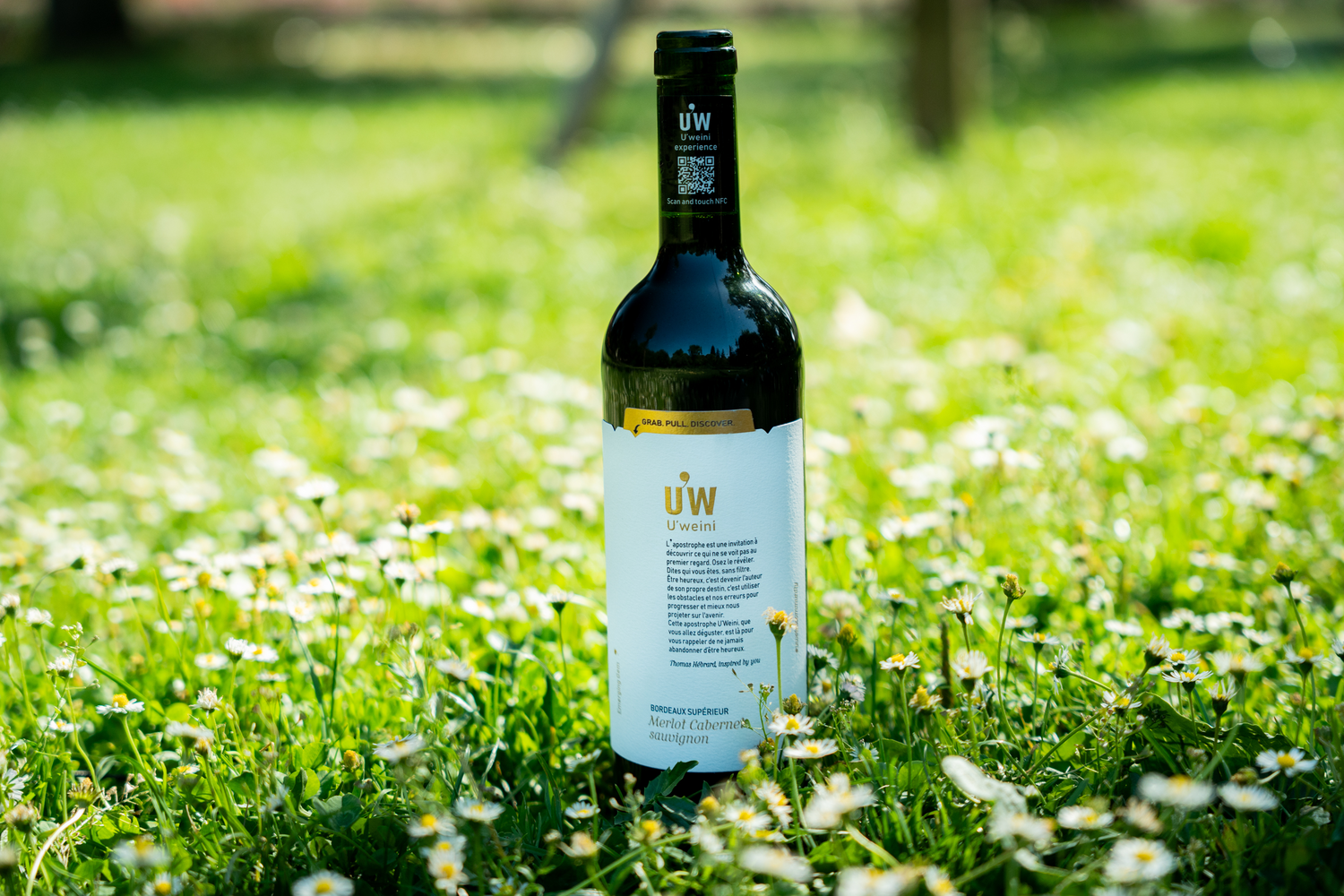
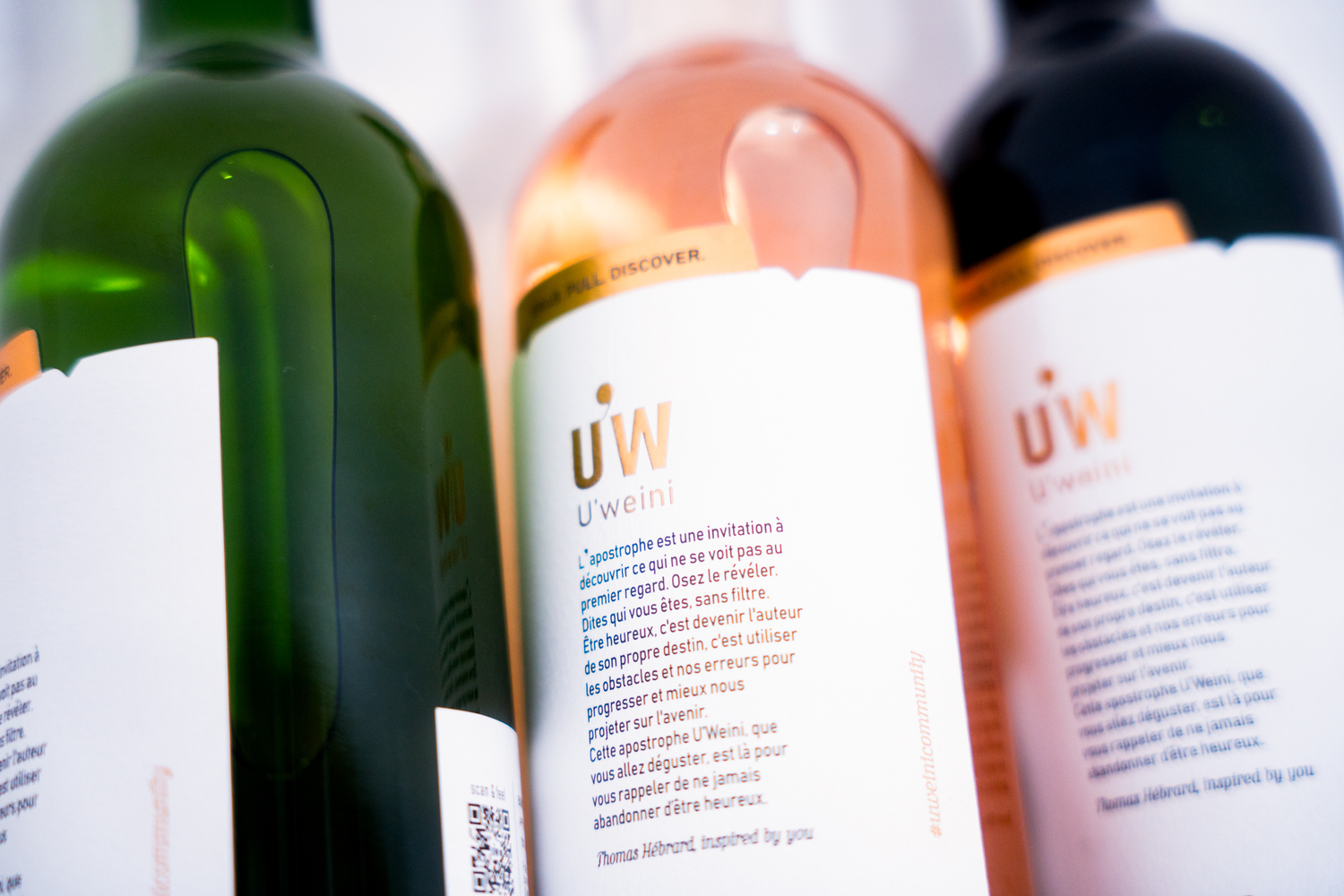
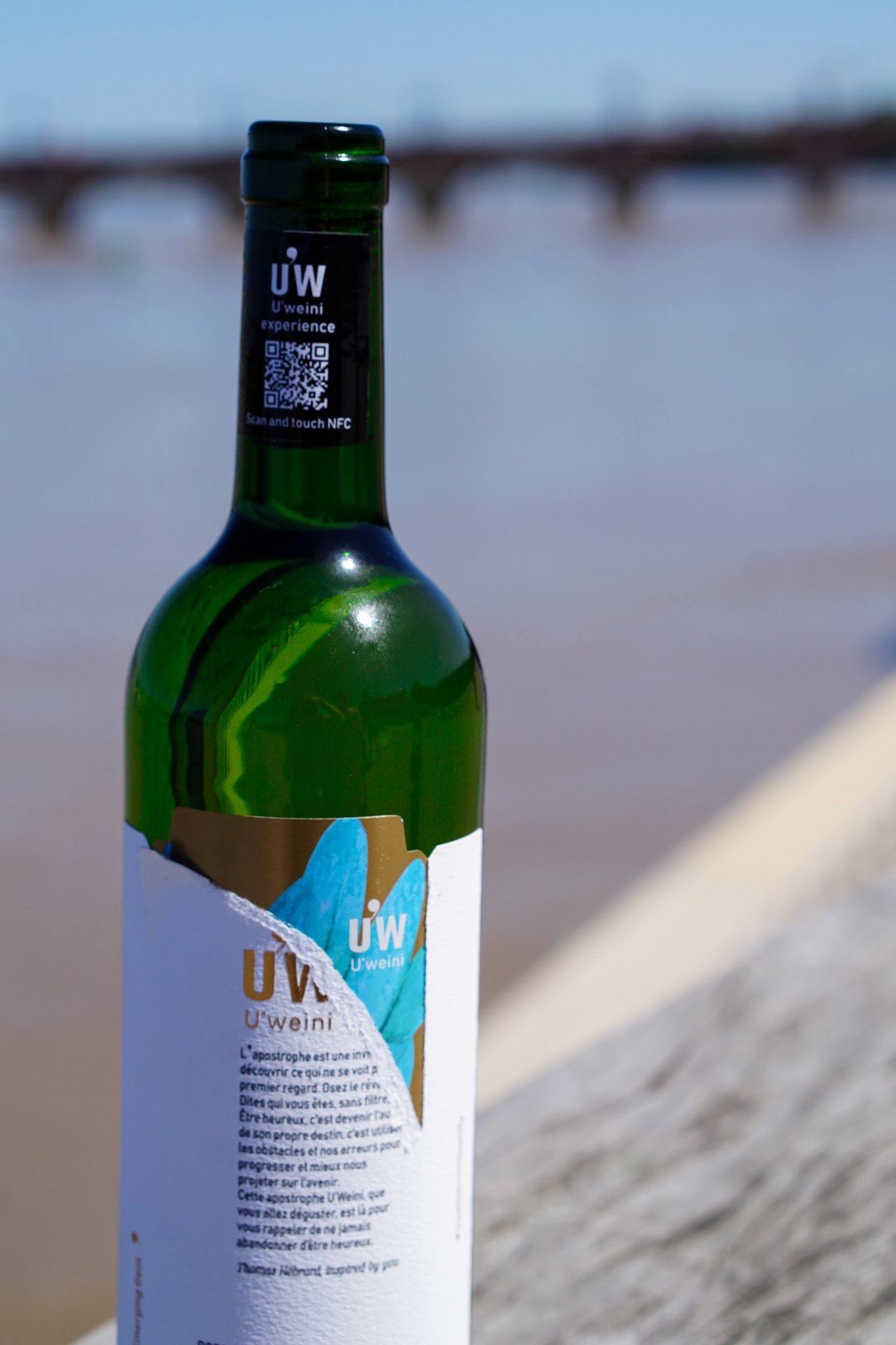
A red that survives being opened is a red with structure. The U'Weini Bordeaux Supérieur 2022 (merlot and cabernet sauvignon, Château Chauvet Dalla Longa, HVE3 certified) fits the brief: tannic enough to take four or five days in the fridge without collapsing. €14.90 a bottle, sold exclusively at Maison Nicolas in France — see the range. Serve it at 15–17 °C (59–63 °F), out of the fridge an hour beforehand.
FAQ
Can you put opened red wine in the fridge?▼
Yes, and you should. Cold slows oxidation and the activity of acetic bacteria. Just take the bottle out 30 to 60 minutes before pouring again so it returns to 15–17 °C (59–63 °F).
How long does an opened bottle of red wine keep?▼
Three to five days on average. Up to seven for a very tannic red that's been recorked and refrigerated, two to three days for a light red, and one to two days for a natural wine with no added sulphites.
Should an opened bottle be stored upright or on its side?▼
Upright, always. On its side, far more of the wine's surface is in contact with the trapped air, so it oxidises faster. The "store bottles on their side" rule only applies to sealed bottles in a cellar, where the point is keeping the cork moist.
Are wine vacuum pumps actually effective?▼
They extend storage by a day or two, provided you pump enough. They replace neither the fridge nor decanting into a smaller container. A manual model costs €10–20.
What can you do with red wine that has turned?▼
Cook with it rather than drink it: it still works for deglazing, slow-cooking or marinating. Oxidised wine isn't dangerous, it just tastes unpleasant.
Does red wine keep better than white once opened?▼
Generally yes, thanks to the tannins acting as antioxidants. A dry white is more like two to three days in the fridge, well recorked.
Share this article