How to taste wine like a pro
Tasting wine comes down to five steps: look, smell, swirl, sip, decide. It takes thirty seconds. You don't need a spittoon, a white tablecloth or a sommelier's vocabulary, just a stem glass, wine served at the right temperature and a bit of attention. The rest is practice. And no, you don't have to detect "truffle and saddle leather" for your opinion to count. Here's the method, then the tricks that actually land at a party. Without laying it on thick. 😉
The 5 steps of a wine tasting
1. The eye: what the colour tells you
Tilt your glass to 45° over something pale, a napkin, the tablecloth, your hand. Colour gives you two useful things.
Age. A young red leans purple or bright ruby. As it ages it shifts towards brick and tile. Whites do the opposite: they darken over time, from pale straw to gold.
Intensity. A deep colour often means a more concentrated wine. Often, not always, Pinot Noir can be pale and still pack a punch. 🍷
2. The nose: once still, once swirling
Smell the glass without moving it first. That's the first nose: the most volatile aromas, the ones that rise on their own.
Now swirl for ten seconds. Oxygen releases other aromatic compounds. Smell again: that's the second nose, usually broader and more precise. The gap between the two is exactly what people mean when they say a wine is "opening up".
And you don't need to name fifteen fruits. "Smells like lemon" or "smells like cherry" does the job. 🤓
3. The palate: three sensations, no more
Take a small sip and let it move around for two seconds. You're looking for three things:
- Acidity : the thing that makes you salivate, like lemon. It brings freshness and drinkability.
- Tannin (reds only) : that grippy, drying feel on your gums, like over-brewed tea. Firm or soft: that's all you need to know.
- Body : light like water, or dense like whole milk? That's what people call "structure".
4. The finish: count the seconds
Swallow (or spit, if you're working through ten wines) and count how long the flavour stays. In wine science, one second of persistence equals one caudalie. Three caudalies is short. Eight or more and you're holding something serious.
It's the most objective measurement in tasting, and nobody uses it at parties. Their loss...
5. The verdict: do you actually like it?
The real question. A technically flawless wine you'd never pour again is a failed wine, for you. And yours is the only opinion in your glass. 😋
5 ways to sound like you know your wine (without overdoing it)
1. Pull out the 15-minute rule. A red served at room temperature, 21 or 22 °C / 70–72 °F in a modern flat, tastes heavy and hot with alcohol. Fifteen minutes in the fridge before serving brings it back to where it belongs (15–17 °C / 59–63 °F for a red Bordeaux). The reverse for whites and rosés: take them out of the fridge a quarter of an hour early, because at 5 °C / 41 °F you can't smell a thing. It's the single move that changes the wine most, and nobody does it.
2. Fill it a third of the way. A glass filled to the brim looks great on Instagram and does nothing for the wine: no room to swirl, no aromas. A third is the sweet spot.
3. Hold the glass by the stem. Not the bowl. Your hand is 37 °C / 98 °F and it warms the wine in two minutes. Bonus: you can see the colour and you leave no fingerprints.
4. Smell twice. The first-nose / second-nose move (see above) always lands, because people can see you doing it: smell, swirl, smell again, comment on the difference. That's method, not bluff.
5. Talk grapes, not regions. "It's a Bordeaux", everyone knows, it's on the label. "There's Sauvignon in there, you can taste it in the citrus", now you've said something. Three grapes to start with: Sauvignon Blanc (sharp, citrus-driven whites), Merlot (soft reds, dark fruit), Grenache (southern reds and rosés, generous and ripe).
The 4 mistakes that give you away in three seconds 😱
- Sniffing the cork and expecting it to tell you about the wine. The gesture isn't useless: a cork that smells of wet cardboard or damp cellar points to cork taint, and that's genuine information. But it's the only thing it will give you. Fruit, aromas, quality, none of that lives in the cork. It happens in the glass. So smell it if you like, just don't linger: nobody has ever guessed a vintage off a piece of bark.
- Ice cubes in red wine in summer. It waters it down. Fifteen minutes in the fridge does the same job, better.
- Saying "silky tannins" without knowing what that means. Translation: "the tannins are soft, it doesn't dry your mouth out." Everyone understands that, including you.
- Slurping like a pro and ending up coughing. We've all tried the sommelier noise, the one where you pull air through the wine to release the aromas. The French call it grumer, it genuinely works and it goes wrong nine times out of ten. If you're going for it: tiny sip, lips barely parted, very thin stream of air. Otherwise, practise alone in your kitchen before taking it public.
What to practise on (without spending a fortune)
You don't need heavy artillery to learn: somewhere between €8 and €20 gets you plenty to build your reference points with. What matters is tasting often and comparing, two wines side by side teach you more than ten bottles drunk on separate nights. 😁
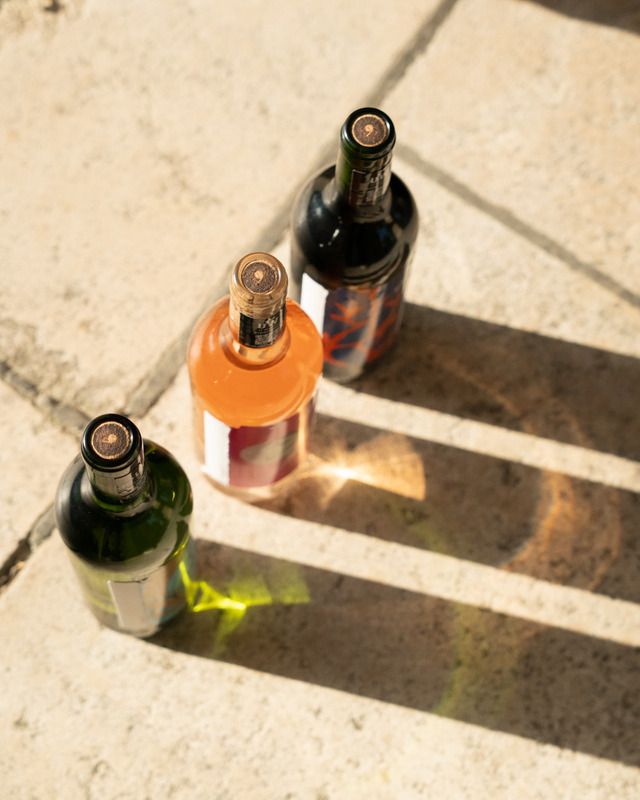
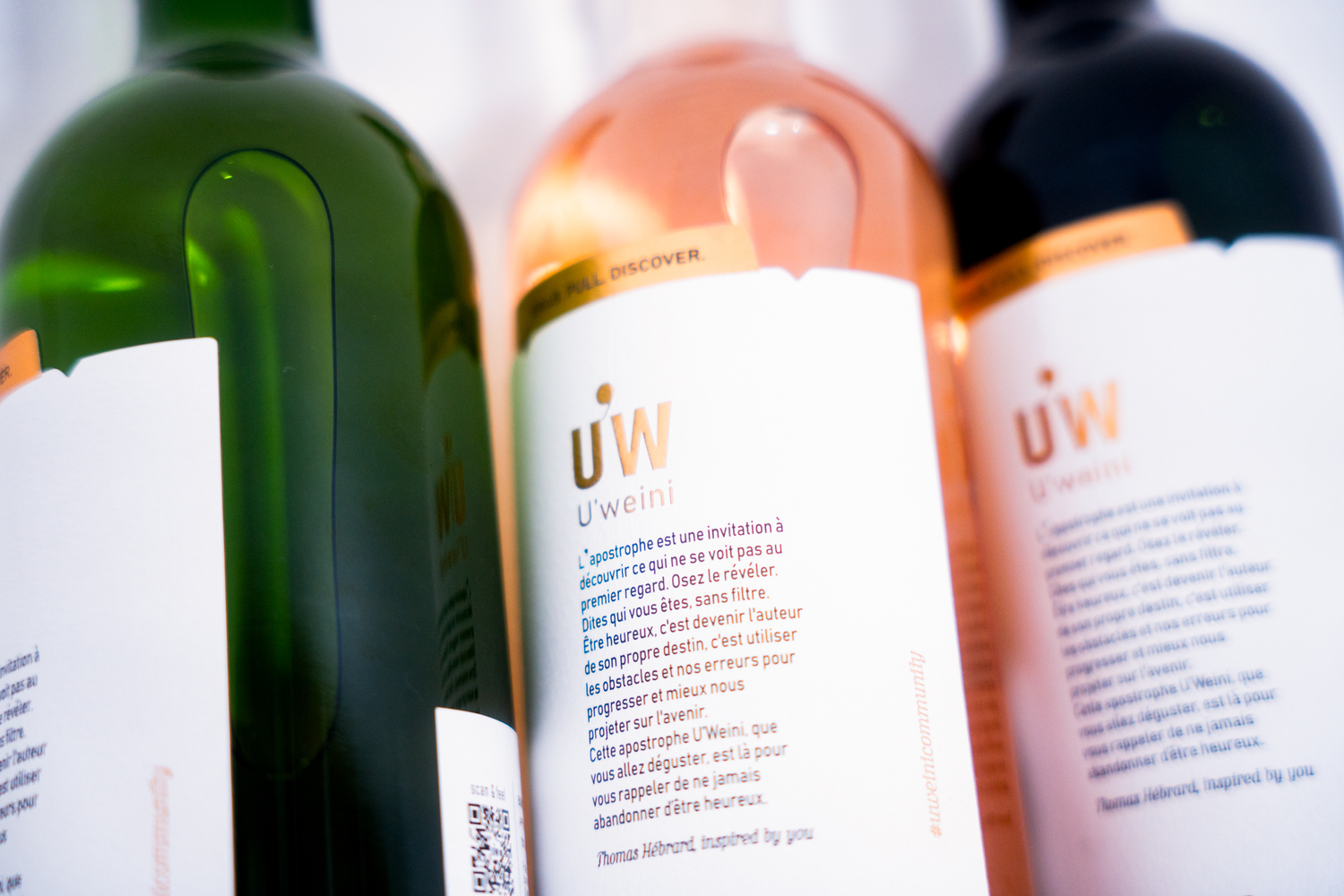
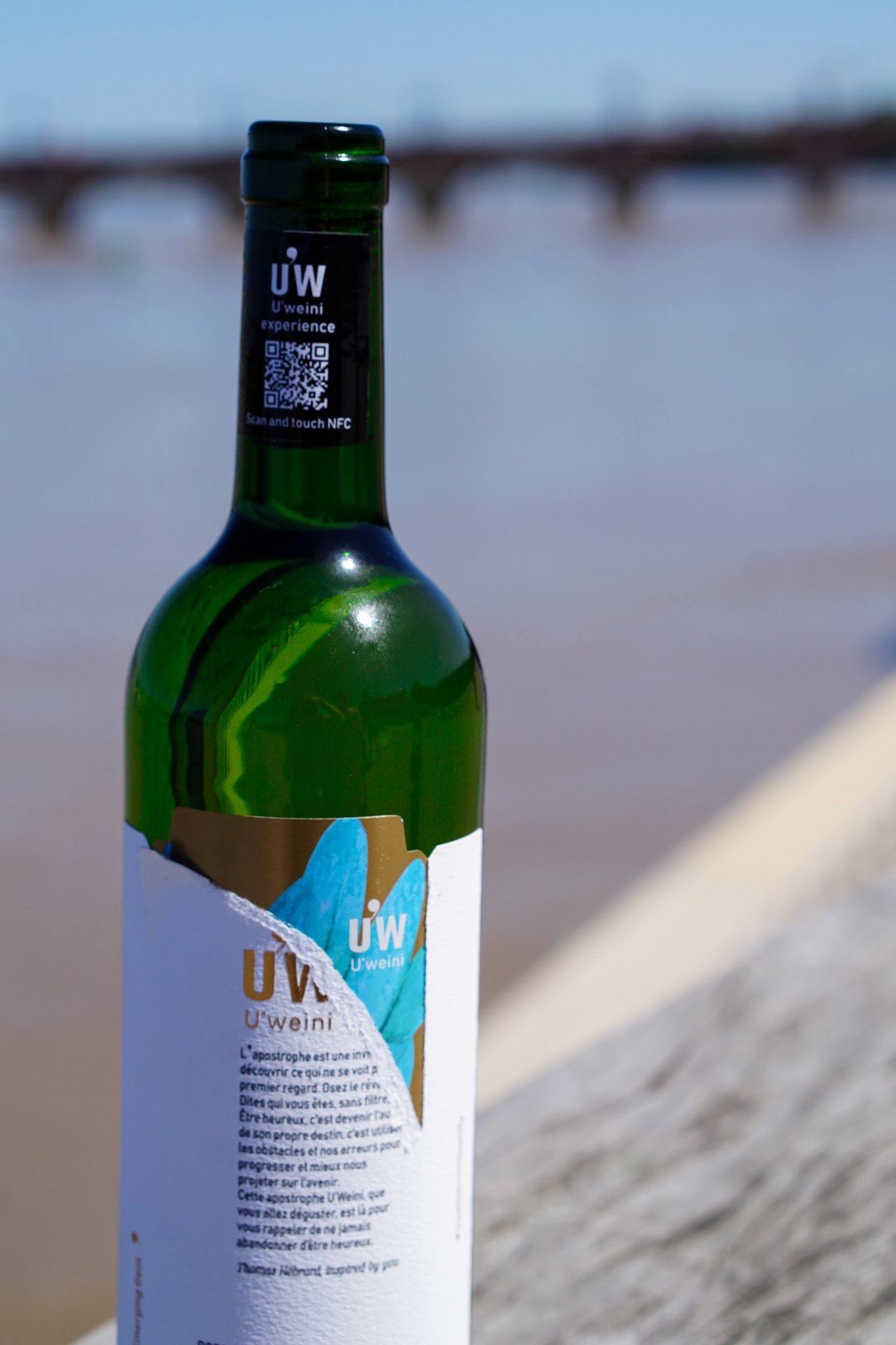
Our three U'Weini cuvées are €14.90 each and cover all three colours, which makes them a fairly logical training ground:
- The Bordeaux Blanc Sec 2024 (Sauvignon Blanc / Sémillon), served at 10–12 °C / 50–54 °F, ideal for working on acidity.
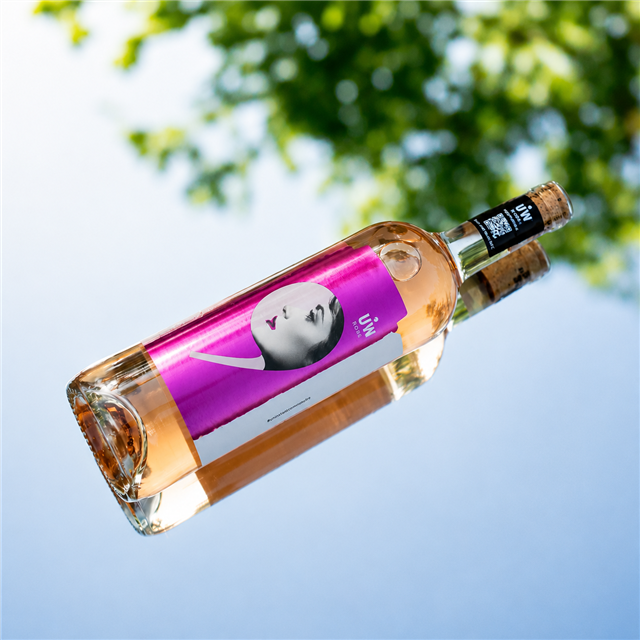
- The Côtes de Provence Rosé 2025 (Grenache, Cinsault, Syrah, Rolle), at 8–10 °C / 46–50 °F.
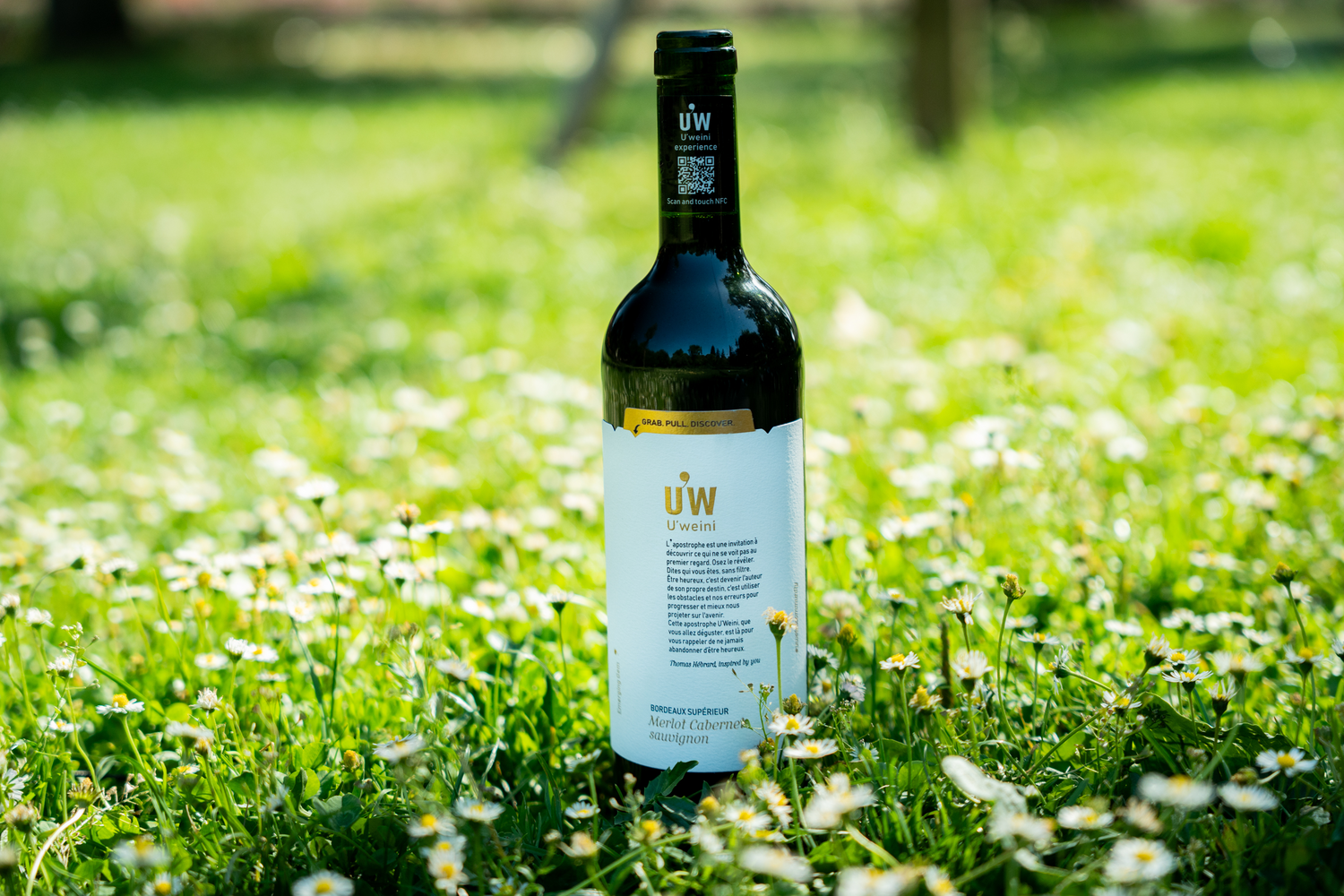
- The Bordeaux Supérieur Rouge 2022 (Merlot / Cabernet Sauvignon), at 15–17 °C / 59–63 °F, the best one for learning to spot tannin. We tried it with a burger and it handles the richness well.
👉 Find U'Weini wines exclusively at Maison Nicolas
Please drink responsibly.
FAQ — How to taste wine
Do you have to spit the wine out when tasting?▼
In professional tastings, yes: you may go through dozens of wines and alcohol starts skewing your judgement by the fifth. Over drinks with friends, no, it gains you nothing except some puzzled looks.
How long should you swirl wine in the glass?▼
Five to ten seconds is enough. The point is to introduce oxygen so the aromas open up, not to create a whirlpool. Filling the glass no more than a third is essential for it to work.
Should you decant a €15 bottle?▼
Rarely necessary. Decanting mainly helps young, tannic reds breathe, or separates an older wine from its sediment. For an everyday bottle, swirling the glass does the job.
Can you taste wine properly without a stem glass?▼
You can, but you lose a lot. A stem glass lets you swirl without warming the wine and channels the aromas towards your nose. A water glass still beats a plastic cup.
What temperature should wine be served at?▼
Simple benchmarks: 8–10 °C (46–50 °F) for rosé, 10–12 °C (50–54 °F) for dry white, 15–17 °C (59–63 °F) for red. Modern indoor temperature, 20–22 °C (68–72 °F), is too warm for every one of them.
How long does it take to learn to taste wine?▼
There's no official threshold. In practice, a few weeks of regular, side-by-side tastings is enough to identify acidity, tannin and body reliably. Aromatic precision takes years to build.